
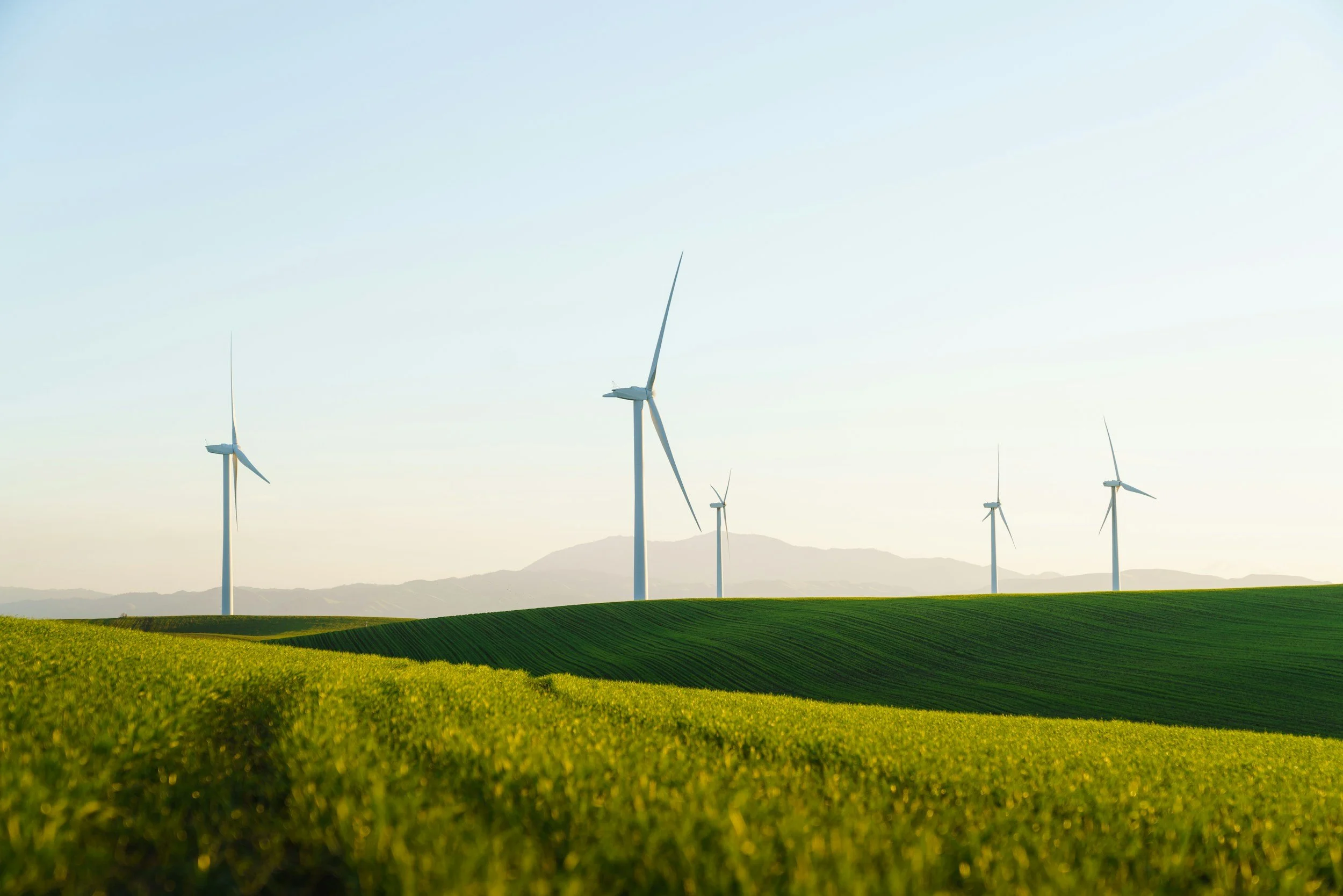
Sustainability, Energy
& Future Cities.
Understand how sustainability is reshaping industries, supply chains and long-term competitive advantage.
Leadership teams gain direct access to organisations leading the energy transition, advanced manufacturing and sustainable innovation across Asia.
Why Now
China just finished encircling one of the world's most hostile deserts with a 3,046km green belt — a 46-year effort involving more than 600,000 people.
Nearby in Gansu, a field of 12,000 mirrors tracks the sun in real time, storing heat in molten salt to generate electricity long after dark. This isn't a policy slide. It's engineering at a scale most countries have never attempted — and it's reshaping what's considered possible in energy, infrastructure and industry across the region.
Leaders are asking...
How will the energy transition reshape our industry?
Where are the biggest sustainability investments taking place?
How are leading organisations balancing growth with decarbonisation?
Which technologies will define the next decade?
How are supply chains adapting to new environmental expectations?
What strategic opportunities are emerging beyond compliance?
Why this matters
Sustainability is no longer simply an environmental agenda.
It is reshaping investment decisions, manufacturing, transportation, infrastructure, energy systems and global supply chains.
Leadership teams increasingly need firsthand exposure to the organisations and ecosystems driving this transition — not simply reports describing it.
Our immersions provide direct access to companies, technologies and leaders transforming how industries will operate over the next decade.
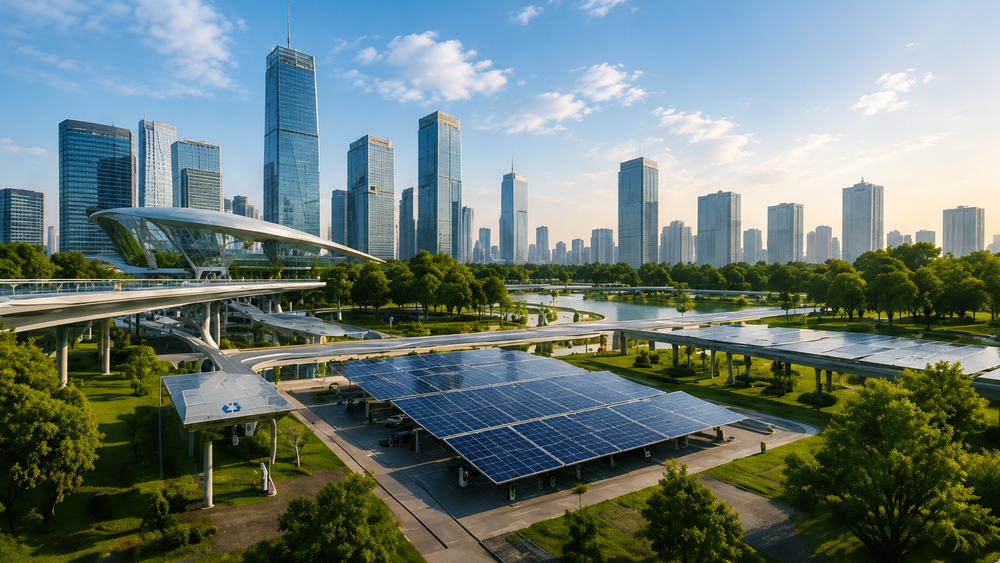
A Typical Programme
Sustainability in China isn't incremental — from Shenzhen's EV and battery ecosystem to national projects reshaping entire deserts, the pace and scale of change here has no real precedent elsewhere.
Day 1
- Sustainability and energy transition briefing
- Visit: leading EV or battery manufacturer
Standing on a production line where battery packs roll out by the thousands, built for a fraction of what they cost five years ago. - Leadership discussion
Day 2
- Visit: sustainable manufacturing or smart factory site
Watching automation and circular production work side by side, not as a trade-off but as the same system. - Dialogue with senior sustainability leaders
- Reflection session
Day 3
- Visit: green logistics or smart city infrastructure site
Seeing what "smart city" actually means once it's running at full scale, not just in a pilot district. - Closing leadership workshop
- Return to origin country
Organisations named are illustrative access points and subject to confirmation at the time of your immersion.
Example destinations
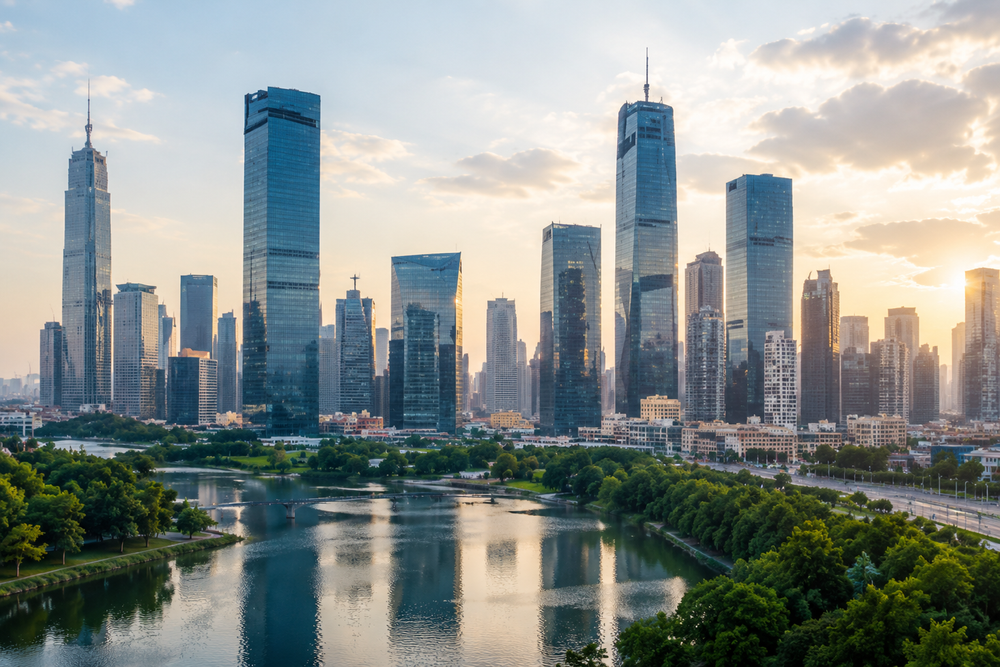
Shenzhen
- EV ecosystem
- Batteries
- Smart manufacturing
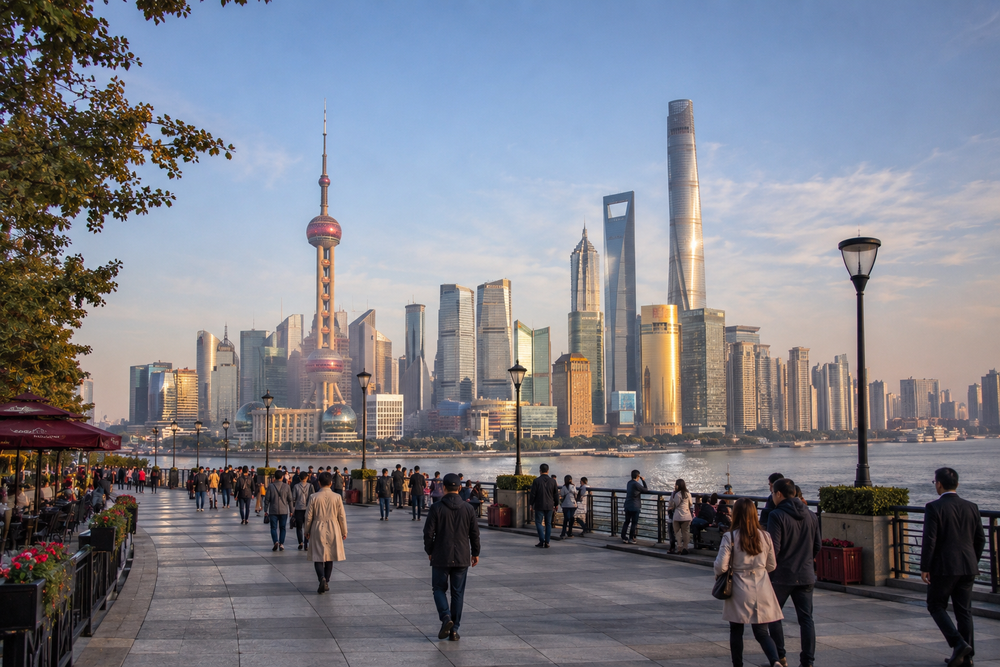
Shanghai
- Sustainable finance
- Green infrastructure
- Industrial transformation
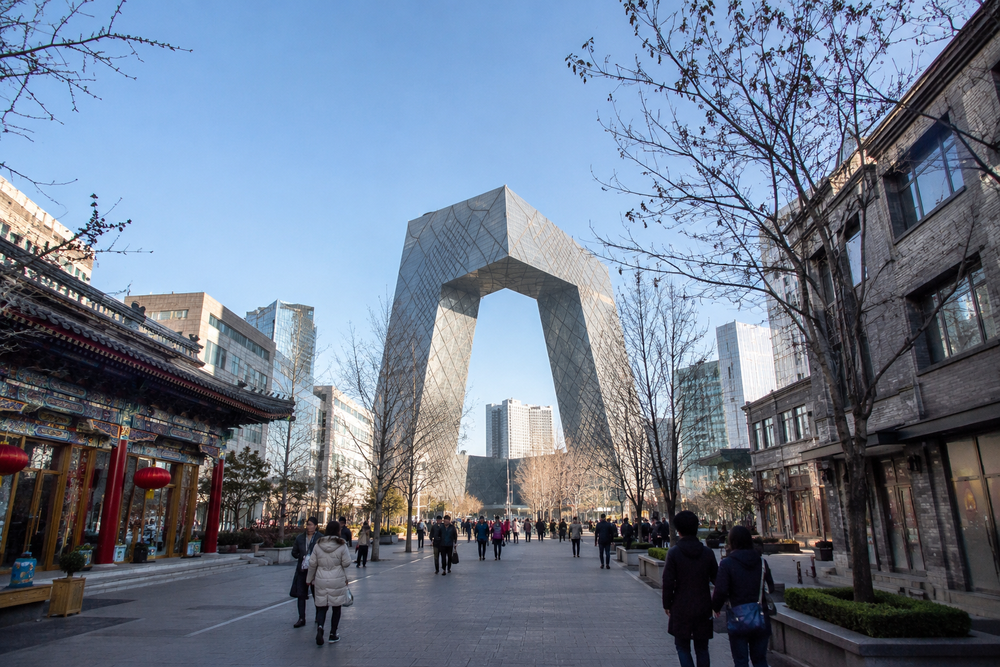
Beijing
- National sustainability initiatives
- Energy policy
- Climate innovation
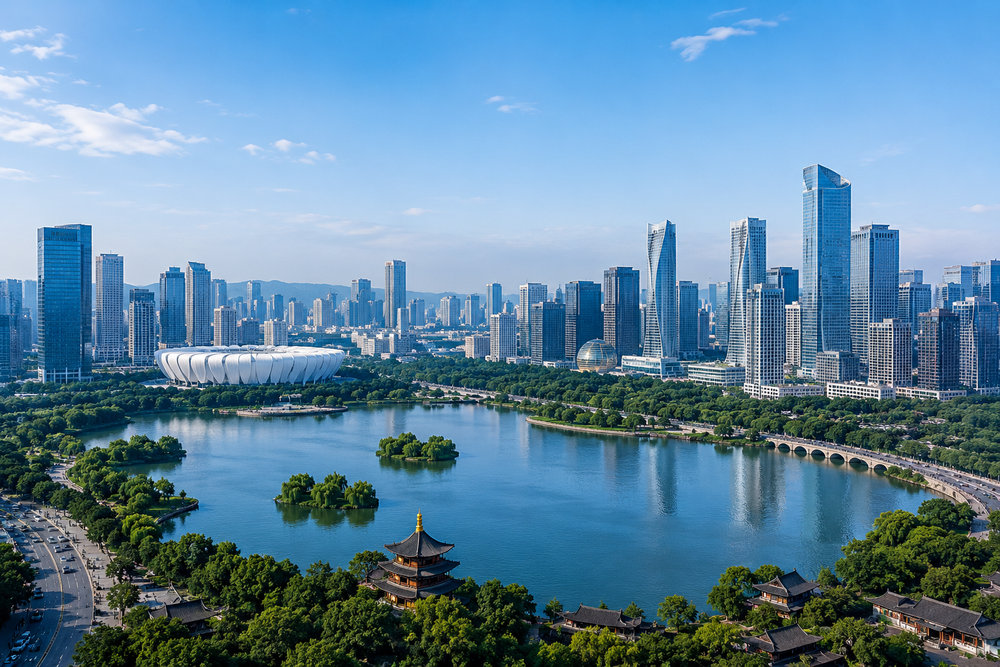
Hangzhou
- Green logistics
- Smart cities
- Digital sustainability
Illustrative organisations may include
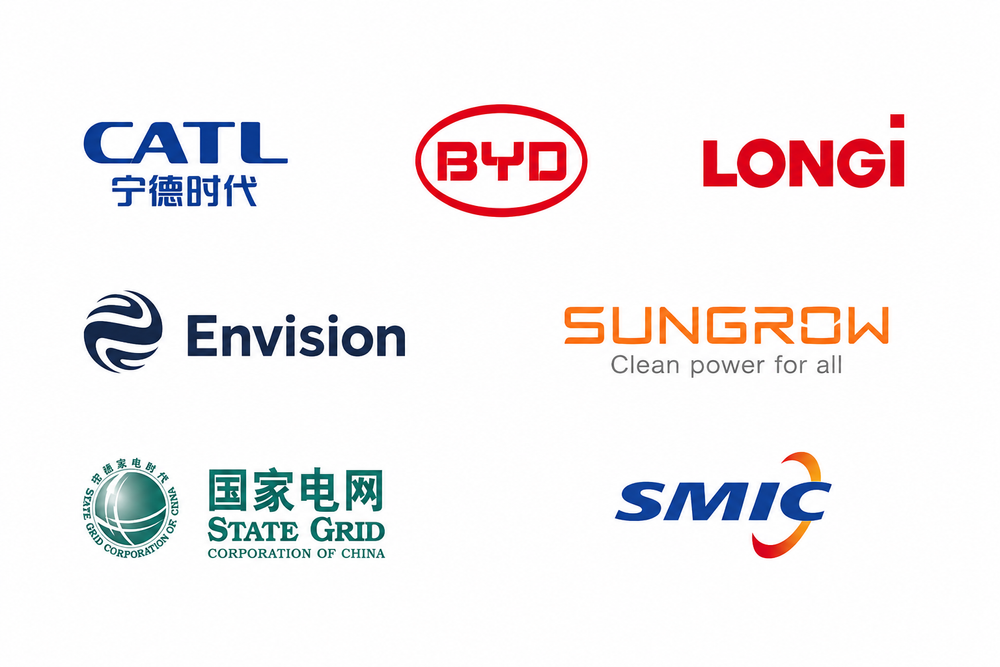
and other leading organisations across the sustainability ecosystem
What leaders experience
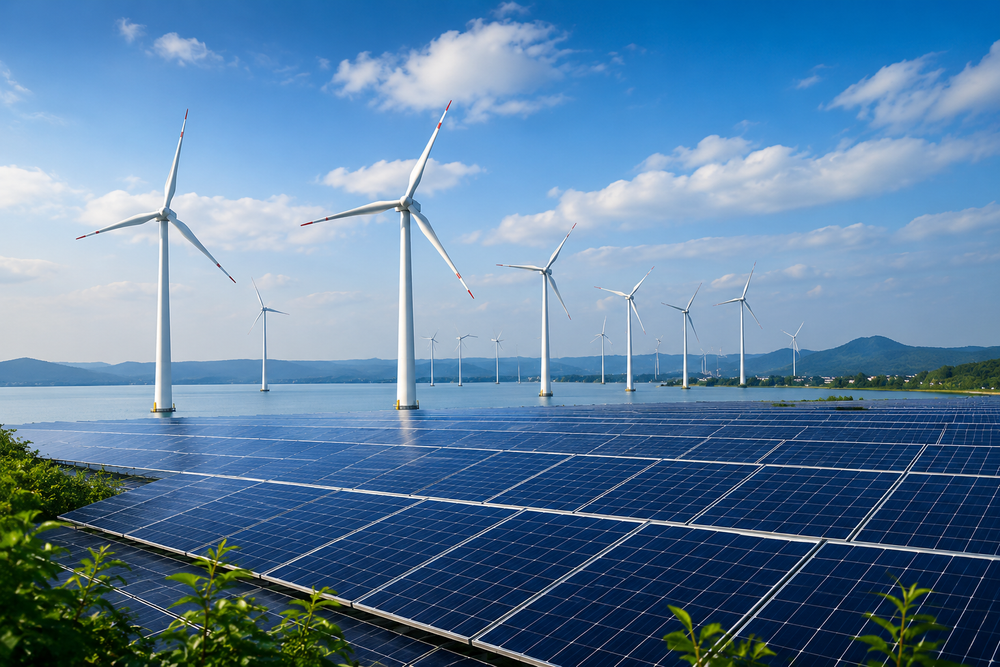
Energy Transition
Understand how energy systems are evolving through renewable generation, grid technologies, hydrogen and electrification.
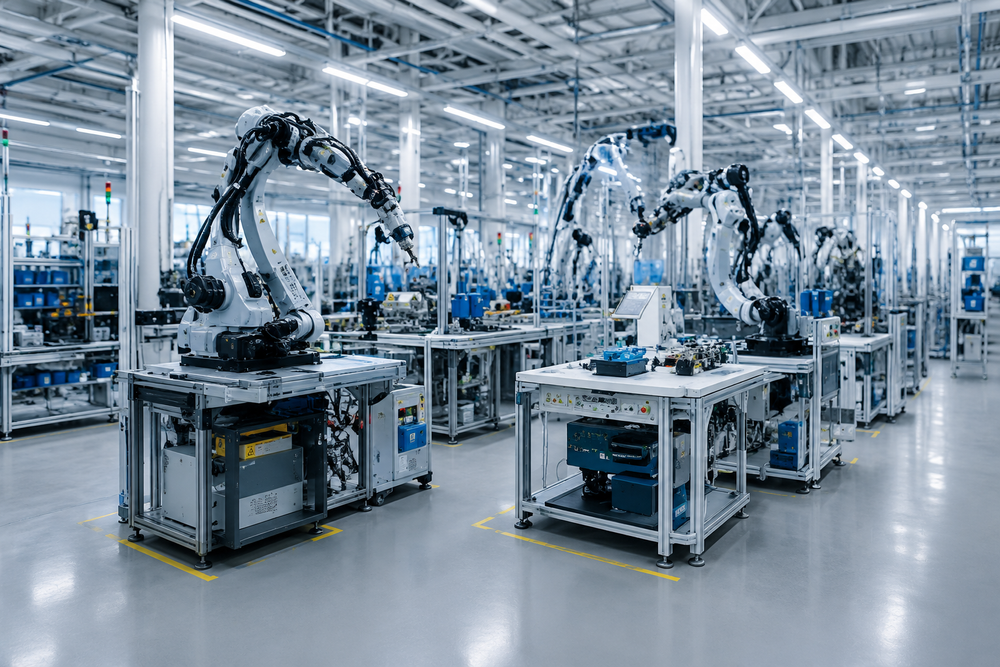
Sustainable Manufacturing
See how manufacturers reduce emissions while improving efficiency through automation, digitalisation and circular production.
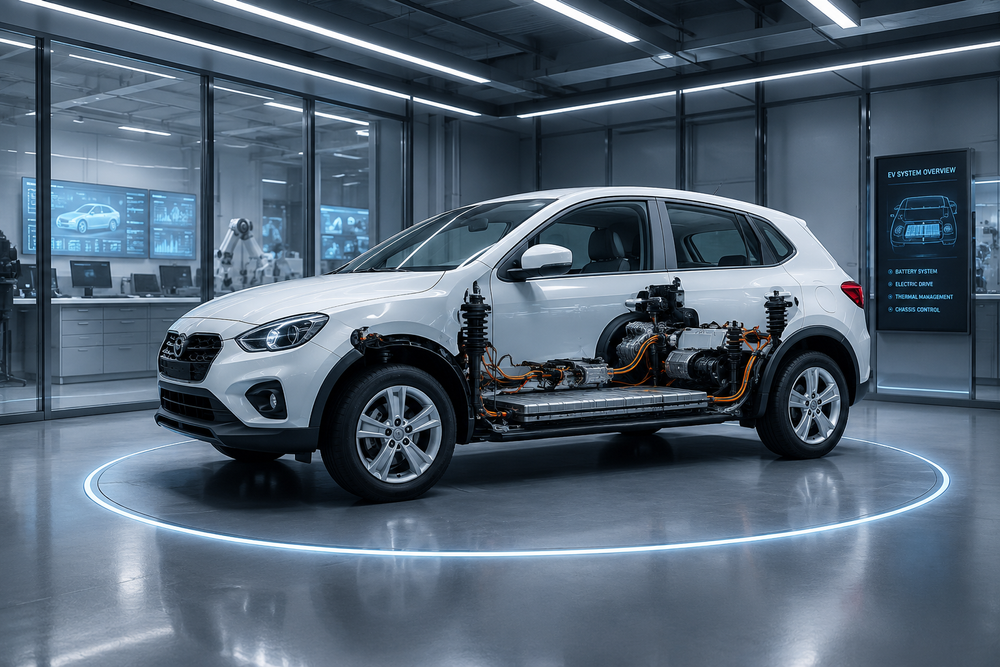
Future Mobility
Explore electric vehicles, battery innovation, charging infrastructure and autonomous transportation ecosystems.
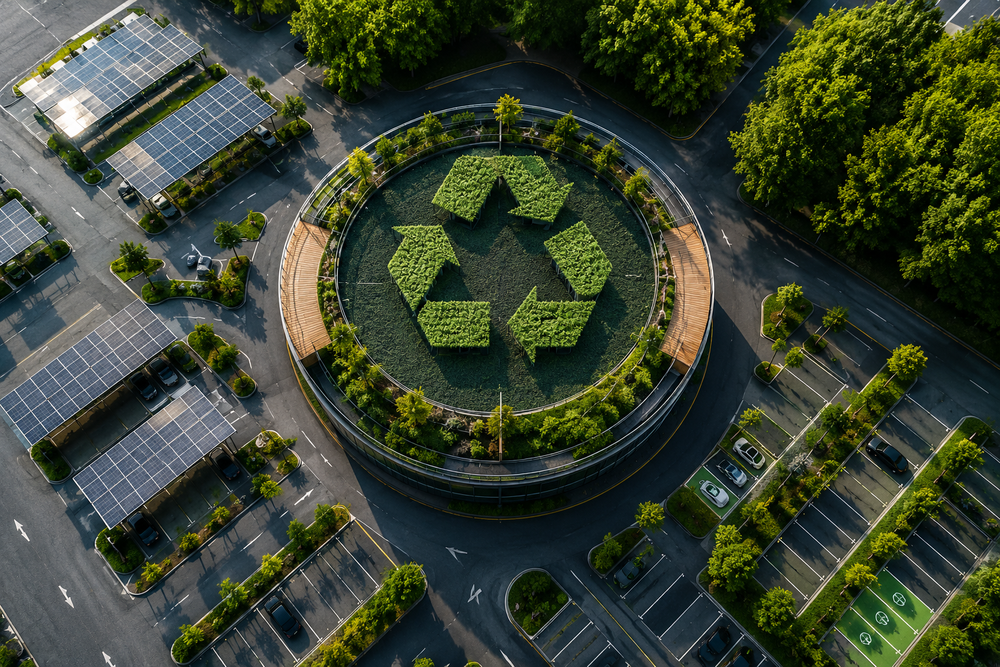
Circular Economy
Discover how organisations rethink materials, waste, recycling and sustainable supply chains to create long-term value.

Smart Cities & Urban Infrastructure
See how sensors, data platforms and connected infrastructure are reshaping how cities manage energy, transport and resources.

Green Finance
Understand how green bonds, ESG capital and sustainability-linked financing are redirecting investment at scale.